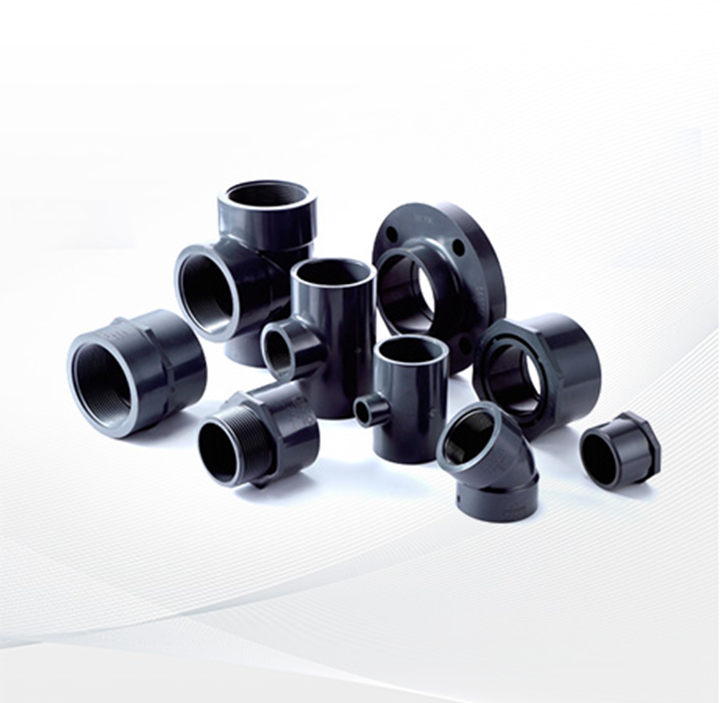
80 Schedule PVC pipe is known for its durability and strength, making it a reliable choice for high-pressure applications in industrial and commercial settings. However, due to its thicker wall construction, cutting and joining this type of pipe requires careful attention to safety and technique. LESSO America emphasizes the importance of following best practices to ensure a secure installation and to protect workers during the process.
Safe Cutting Techniques
Before cutting any section of 80 Schedule PVC pipe, installers should wear appropriate personal protective equipment (PPE), including safety goggles, gloves, and a dust mask. Cutting PVC can produce small particles and debris that pose risks if inhaled or if they come into contact with the eyes.
LESSO America recommends using a fine-tooth saw, miter saw, or pipe cutter specifically designed for PVC. The pipe should be secured in place to avoid movement while cutting. After the cut is complete, the edges should be deburred and smoothed using a deburring tool or sandpaper. This prevents damage to fittings and ensures a clean, leak-free joint.
Joining Methods and Precautions
Solvent welding is the most common method used to join 80 Schedule PVC pipe. The process involves applying primer and solvent cement to both the pipe and fitting. Installers should work in a well-ventilated area or use a fume extractor to avoid inhaling harmful vapors.
Proper alignment is crucial during assembly. LESSO America suggests inserting the pipe fully into the fitting with a quarter-turn motion to distribute the cement evenly. The joint should be held in place for a few seconds to prevent push-out before setting.
Conclusion
Safe and accurate cutting and joining are essential when working with 80 Schedule PVC pipe. With attention to PPE, tool selection, and joint preparation, installers can ensure both personal safety and a long-lasting connection. LESSO America supports professionals with high-quality materials and guidance for efficient and safe installations.