The differences between single phase vs. three phase systems play a significant role in determining the ideal solution for various energy needs. Each system offers unique advantages, and with innovative products from CHINT, you can ensure reliable and efficient electrical performance tailored to your requirements.
The Basics of Single Phase Power
A single-phase connection requires two wires to operate: one neutral and one phase wire. These wires work together to complete the circuit and provide a consistent flow of electricity. This setup is commonly used in residential homes and small applications, as it is designed for lower energy demands. It is efficient for powering standard household appliances such as lights, fans, and small electronics.
The Strengths of Three Phase Power
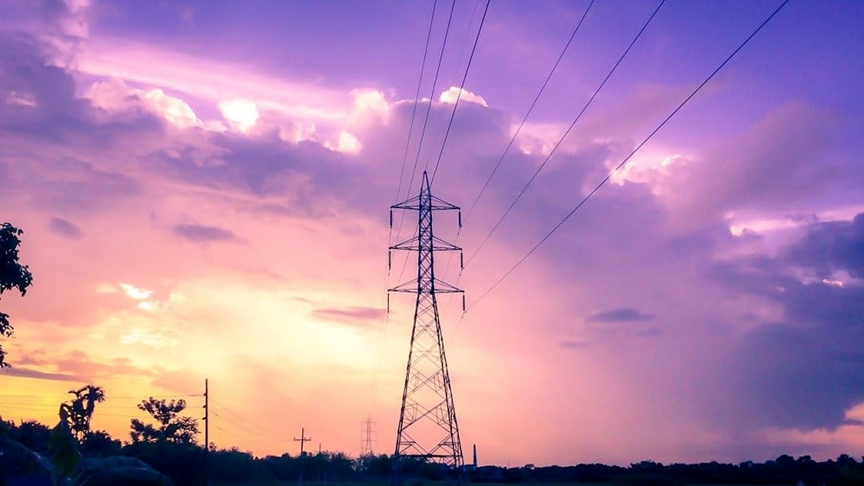
On the other hand, a three-phase connection uses one neutral wire and three-phase wires. This arrangement enables the system to transmit a higher amount of power compared to single-phase systems. It is well-suited for industrial settings, heavy machinery, and commercial buildings where energy consumption is high. The balanced distribution of electricity in a three-phase system ensures greater efficiency and reduced energy losses, making it the preferred choice for demanding applications.
Conclusion
When deciding between single phase vs. three phase, it is essential to consider your specific energy requirements. Single-phase systems are ideal for homes and small-scale use, while three-phase systems provide superior power and efficiency for larger operations. With CHINT offering top-quality solutions for both systems, you can achieve safe and dependable energy performance in any scenario.